

Have you ever met someone who can find a silver lining in even the most difficult situations? Two people in my life come to mind instantly—my sister-in-law, Anna, and my mother. No matter what life throws at them, they always send a positive message, uplift those around them, and keep moving forward with grace and strength. Watching them over the years made me realize that their mindset isn’t based on luck—it’s built on intentional habits.
The habits of positive people aren’t just feel-good routines; they’re practical tools for mental clarity, emotional strength, and everyday joy. These habits help them stay resilient during challenges, connect better with others, and maintain a sense of purpose in life. Whether it’s starting the day with gratitude, choosing kindness, or focusing on solutions instead of problems, positive people live with intention.
In this post, we’ll explore the powerful habits of positive people and how you can make them part of your own daily life—no matter where you’re starting from. If you’ve ever wanted to shift your mindset and bring more optimism into your world, you’re in the right place.
What Is a Positive Mindset and Why Does It Matter?
A positive mindset isn’t about ignoring problems or pretending everything is fine. It’s about approaching life with hope, resilience, and the belief that challenges can be overcome. People with a positive mindset don’t deny the existence of hardship; they choose to face it with courage and confidence.
Why does it matter? Because your mindset shapes your reality. Studies show that positive thinkers have lower levels of stress, stronger immune systems, and greater overall well-being. They tend to be more productive at work, more successful in relationships, and more fulfilled in daily life. The habits of positive people play a key role in cultivating this mindset over time.

The Science Behind Positive Thinking: What Research Says
Research in psychology and neuroscience backs up the benefits of positive thinking. Dr. Barbara Fredrickson’s “Broaden-and-Build” theory suggests that positive emotions expand our awareness and encourage new, creative, and flexible ways of thinking. Over time, this builds lasting emotional resilience.
Gratitude journaling, mindfulness, and self-compassion practices have all been scientifically proven to increase happiness levels and reduce symptoms of anxiety and depression. Positive habits literally rewire the brain, a phenomenon known as neuroplasticity.
When you consistently engage in the habits of positive people, you’re training your brain to default to positivity.
Daily Habits of Positive People
1. They Start Their Day with Intention and Gratitude
Positive people don’t wake up and immediately scroll through negative news or social media. Instead, they set the tone for their day with a morning ritual that includes gratitude, goal-setting, or affirmations.
A gratitude journal is a simple but powerful tool. Writing down three things you’re thankful for each morning shifts your mindset from lack to abundance. Setting intentions helps you focus your energy on what truly matters. These practices create emotional momentum that lasts all day.
Try this: Each morning, write one positive intention and one thing you’re grateful for. You’ll be amazed how your perspective starts to shift.

2. They Practice Mindful Thinking and Stay Present
Living in the moment is one of the strongest habits of positive people. Mindfulness keeps you grounded and helps you respond rather than react to life’s challenges.
Mindful people don’t dwell on the past or worry constantly about the future. They focus on what they can control right now. Daily mindfulness can be practised through deep breathing, meditation, or simply paying attention to your surroundings without judgment.
Even five minutes a day can make a huge difference. Apps like Headspace or Insight Timer offer guided meditations that are perfect for beginners.
3. They Surround Themselves with Positive Influences
You are the average of the five people you spend the most time with. Positive people choose their circle carefully. They nurture relationships that uplift, inspire, and support them.
This also applies to their consumption. Instead of negative news or toxic content, they listen to motivational podcasts, read uplifting books, and engage with social media accounts that promote kindness and growth.
Start by evaluating your environment. Do the people and content you engage with energize or drain you? Make room for positivity.

Pic Credit: Karonjhar Photography
4. They Reframe Challenges as Opportunities
One of the defining habits of positive people is their ability to reframe adversity. Rather than seeing a setback as a failure, they view it as a stepping stone to growth.
This mindset shift is a learned skill. It involves asking empowering questions like, “What can I learn from this?” or “How can this help me grow?” Positive people remain hopeful and solution-focused by focusing on the lesson instead of the loss.
The next time life throws a curveball, pause and look for the opportunity. This small change can transform your outlook.
5. They Focus on Solutions, Not Problems
It’s easy to spiral into blame or negativity when something goes wrong. However, positive thinkers train themselves to move quickly from problem to solution.
Instead of asking, “Why is this happening to me?” they ask, “What can I do about it?” This proactive mindset reduces stress and builds confidence.
One useful technique is the “Three Solutions Rule.” When faced with a problem, brainstorm three possible solutions. This keeps your mind flexible and forward-moving.

6. They Practice Self-Compassion and Let Go of Perfection
Perfectionism is the enemy of progress. Positive people understand that mistakes are part of the journey, not a reflection of worth. They treat themselves with the same kindness they would offer a friend.
Dr. Kristin Neff, a leading researcher in self-compassion, found that those who practice self-kindness are more motivated, less anxious, and better able to cope with setbacks.
Next time you’re hard on yourself, try saying this: “I’m doing the best I can, and that’s enough.”
Read about Top 10 Habits to Manage Seasonal Depression in Cold Weather
7. They Limit Negative Self-Talk and Replace It with Positivity
The words we say to ourselves shape our reality. Positive people are aware of their inner dialogue and make a conscious effort to shift it toward encouragement and strength.
Instead of saying, “I can’t do this,” they say, “I’m learning and growing every day.” Affirmations, positive self-talk, and thought-checking are essential for maintaining this habit.
Try writing down one limiting belief and flipping it into a positive statement. Speak it aloud daily until it feels real.
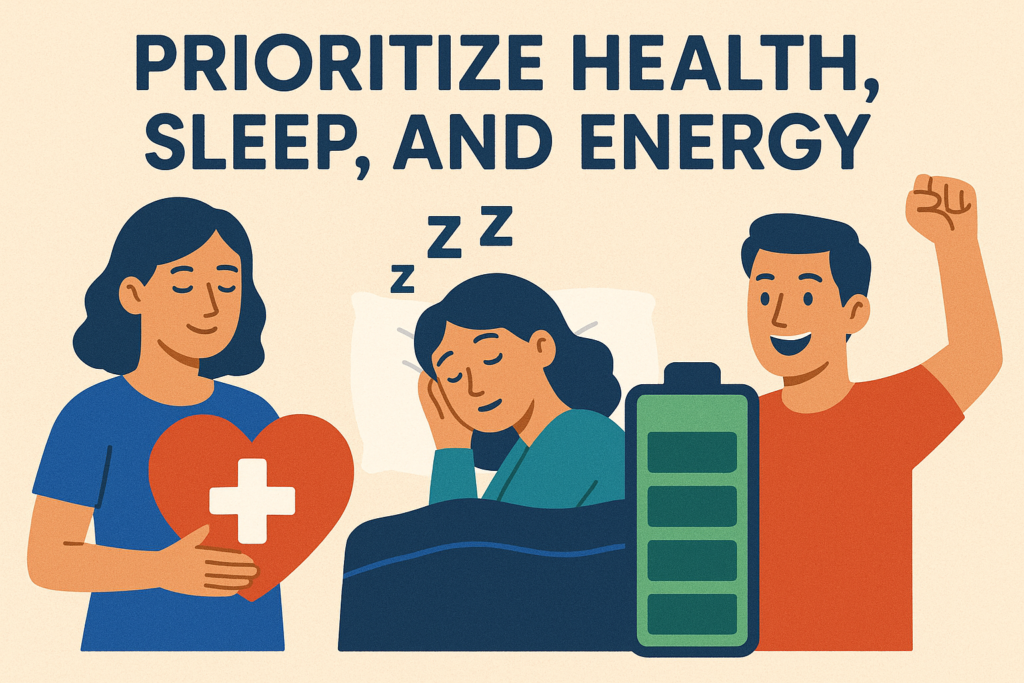
8. They Prioritize Health, Sleep, and Energy
Mental well-being is closely tied to physical health. The habits of positive people include getting enough rest, eating nutritious foods, and moving their bodies regularly.
Exercise boosts mood, sleep improves clarity, and good nutrition fuels focus. Positive people protect their energy by saying no to over-commitment and yes to self-care.
Start small: hydrate well, take a 10-minute walk, and create a calming nighttime routine.
9. They Give Back and Spread Positivity to Others
A beautiful thing about positivity is that it multiplies when shared. Positive people look for ways to uplift others—through kind words, thoughtful actions, or acts of service.
Helping others increases your happiness, builds stronger connections, and fosters a sense of purpose. Volunteering, mentoring, or simply checking in on a friend can light up your day.
Kindness is contagious. Pass it on.
10. They Celebrate Progress Over Perfection
Rather than obsessing over outcomes, positive people focus on growth. They celebrate the small wins and honour their journey.
This mindset not only boosts motivation but also helps you stay consistent. Tracking your progress, however small, creates a cycle of success and positivity.
Remember: progress is power. Even a 1% improvement each day adds up to huge results.
How to Build These Habits into Your Life—Even If You’re Struggling
You don’t have to be naturally optimistic to develop a positive mindset. Start with one habit and build from there. To make changes stick, use habit-stacking, which involves adding a new habit to an existing routine.
Be patient with yourself. Change takes time, but consistency will bring results. Whether it’s a gratitude journal, daily affirmation, or evening walk, choose one practice and commit to it for 21 days.
If you’re feeling low, remember this: positivity isn’t about being cheerful all the time. It’s about choosing hope over despair repeatedly.
Final Thoughts: Your Mindset Shapes Your Life—Choose Positivity
The habits of positive people aren’t magical or reserved for the lucky few. They’re built through small, consistent choices that anyone can adopt. By practising gratitude, staying mindful, focusing on growth, and surrounding yourself with uplifting energy, you can transform your mindset and your life.
Every day is a new chance to think better, feel stronger, and live brighter. Start today—you have everything it takes to build a positive mindset that thrives.